
Why Merchants Need to Understand the Acquiring Side of Payments
If you sell online, accept card payments, or run a platform that moves money, you have probably dealt with payment delays, chargebacks, frozen funds, or confusing processing fees. That is exactly why acquiring bank:What Is an Acquiring Bank? Roles, Fees, and How It Works matters. The acquiring bank is one of the most important players in card acceptance, yet many merchants only notice it when something goes wrong.
For growing brands, the stakes are even higher. A weak acquiring setup can hurt approval rates, cash flow, and customer trust. A strong one can improve authorization performance, reduce fraud friction, and support expansion into new channels. At Virtual Crypto Card, we see this every time merchants try to scale card acceptance across digital goods, subscriptions, global e-commerce, and crypto-adjacent use cases.
An acquiring bank, often called a merchant acquirer, is the financial institution that processes card payments on behalf of a merchant. It connects the merchant to card networks such as Visa and Mastercard, helps settle approved transactions, and usually works with payment processors, gateways, and risk systems to move funds securely.
In practical terms, the acquiring bank is the merchant’s banking-side partner in card acceptance. It helps underwrite the account, manage transaction risk, route funds, and enforce card network rules.
Table of Contents
- What an Acquiring Bank Actually Does
- How the Payment Flow Works
- The Key Players in Card Processing
- The Fees Merchants Pay and Why
- How Acquirers Differ by Business Type
- Risks, Compliance, and Operational Challenges
- How to Choose the Right Acquiring Partner
- A Real Merchant Case from Virtual Crypto Card
- Where Acquiring Is Headed Next
What an Acquiring Bank Actually Does
An acquiring bank is the institution that sponsors a merchant into the card ecosystem. When a business wants to accept card payments, it typically cannot connect directly to Visa, Mastercard, American Express, or Discover on its own. The acquirer steps in to provide access, underwriting, risk oversight, and settlement support.
Its role goes well beyond just “moving money.” An acquiring bank evaluates the merchant’s business model, monitors fraud and chargebacks, ensures compliance with network rules, and can hold reserves or limit processing if risk levels rise. For merchants, that means the acquirer is both an enabler and a gatekeeper.
Here are the core responsibilities most acquiring banks handle:
- Boarding and underwriting merchants
- Providing access to card networks through sponsorship
- Supporting authorization, clearing, and settlement
- Monitoring fraud, disputes, and chargeback ratios
- Managing reserves, rolling holds, and account risk controls
- Helping merchants meet PCI and network compliance obligations
According to the Nilson Report’s 2024 market tracking, card volume growth remains heavily tied to digital commerce and cross-border acceptance, which puts more pressure on acquirers to manage fraud and approval rates at the same time. That balancing act explains why acquiring relationships are becoming more strategic, not less.
How the Payment Flow Works
When a customer enters card details at checkout, several systems communicate in a matter of seconds. The acquirer sits in the middle of that chain, linking the merchant side to the card network and the issuing bank.
The basic transaction path
- The customer submits a card payment on the merchant’s website, app, or terminal.
- The payment gateway encrypts and sends the data to the processor or acquiring stack.
- The acquiring bank forwards the authorization request through the card network.
- The issuing bank checks available funds, fraud signals, and card status.
- The issuer approves or declines the transaction and sends that response back through the network.
- The acquirer receives the response and passes it to the merchant.
- After approval, the transaction enters clearing and settlement, and the merchant eventually receives the funds minus fees.
This is why merchants often confuse the issuer and the acquirer. The issuing bank serves the cardholder. The acquiring bank serves the merchant. If a customer asks, “Why was my card declined?” the answer usually begins on the issuer side. If a merchant asks, “Why are my funds delayed?” the answer often begins on the acquirer side.
The Key Players in Card Processing
To make better payment decisions, merchants need to separate the major participants clearly.
Merchant
The merchant sells goods or services and initiates the transaction.
Payment gateway
The gateway captures customer payment data securely and passes it to the processor or acquirer stack.
Payment processor
The processor handles transaction messaging and technical processing. In some setups, the processor and acquirer are tightly bundled; in others, they are separate firms.
Acquiring bank
The acquirer sponsors the merchant, manages risk, routes transactions into the card networks, and settles funds.
Card network
Visa, Mastercard, American Express, and Discover govern network rules and transport payment messages between the acquirer and issuer.
Issuing bank
The issuer provides the card to the customer and decides whether to approve or decline the purchase.
“The best merchants treat acquiring as a revenue lever, not just a vendor contract. Higher approvals and lower dispute friction can move margins more than a small headline rate cut.”
That point matters because many merchants shop for payment partners based only on basis points. Price matters, but stability, routing quality, fraud tooling, and support quality often matter more over a full year of operations.
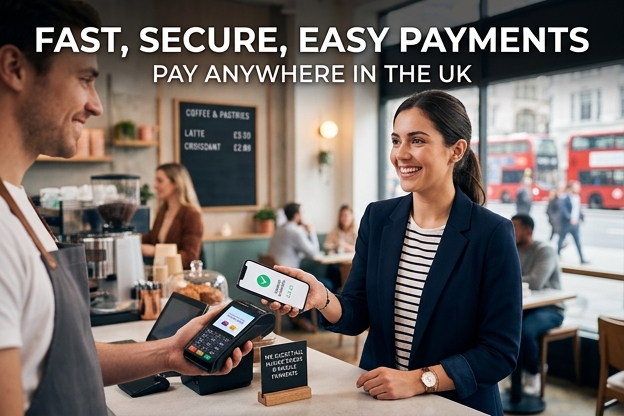
The Fees Merchants Pay and Why
Merchant statements are notorious for being hard to read. Still, most card acceptance costs can be grouped into a few predictable buckets.
Interchange
This is usually the largest component. Interchange is set by the card networks and paid to the issuing bank. It varies by card type, region, merchant category, authentication method, and transaction context.
Assessment and network fees
These are card network charges on top of interchange. They may include network assessments and other program or cross-border charges.
Acquirer markup
This is what the acquiring bank or acquiring stack earns for underwriting, risk, settlement, compliance, and account management.
Processor and gateway fees
Some providers bill these separately, while others combine them. Merchants may see per-transaction fees, monthly platform fees, tokenization fees, or gateway access charges.
Chargeback and risk-related fees
These include dispute handling charges, reserve requirements, rolling holds, retrieval fees, and sometimes monitoring-program penalties if ratios become too high.
According to a 2025 report from the Merchant Risk Council, fraud pressure and friendly fraud remain major operating concerns for digital merchants, especially in subscription, cross-border, and high-ticket categories. That makes the “true cost” of acquiring broader than processing alone. A lower rate with poor dispute management can cost more in the end.
What to watch for on your statement
- Blended pricing that hides the markup
- Non-qualified surcharges without clear explanation
- Cross-border and currency conversion add-ons
- Monthly minimums and compliance-related charges
- Rolling reserve percentages triggered by risk flags
How Acquirers Differ by Business Type
Not every acquirer is built for every merchant. The best fit depends on product category, ticket size, geography, risk profile, and sales channel.
| Business Type | Typical Acquiring Need | Common Risk Concern | Best Fit Acquirer Profile |
|---|---|---|---|
| U.S. apparel e-commerce brand | Fast boarding, strong checkout integrations, omnichannel reporting | Card-not-present fraud and seasonal spikes | Mainstream acquirer with strong fraud tools and retail support |
| SaaS subscription platform | Recurring billing support, account updater, retry logic | Involuntary churn and friendly fraud | Acquirer optimized for recurring commerce and lifecycle recovery |
| Travel booking site | High authorization quality, delayed capture flexibility | High chargebacks, cancellations, future-delivery risk | Risk-tolerant acquirer with reserve planning and travel expertise |
| Digital goods marketplace | Global acceptance, rapid settlement visibility, fraud screening | Abuse, refund disputes, account takeover | Acquirer experienced in online marketplaces and digital delivery |
| Crypto-adjacent service with card acceptance | Specialized underwriting, enhanced compliance review, stable banking rails | Policy restrictions, reserve pressure, sudden account review | Specialist acquiring partner familiar with higher-risk digital models |
Risks, Compliance, and Operational Challenges
Acquiring is not just about access. It is about trust, rules, and survivability under pressure. Merchants that ignore the risk side often learn the hard way.
Chargebacks and dispute ratios
If a merchant’s chargeback rate climbs too high, the acquirer may impose reserves, raise fees, or terminate processing. The card networks also operate monitoring programs that can become expensive quickly.
Merchant category code issues
If your business is boarded under the wrong MCC, you may face inaccurate risk treatment, poor interchange outcomes, or compliance reviews later. This is especially important for hybrid models such as education plus subscription, creator commerce, or digital asset-related tools.
Cross-border complexity
Global acceptance introduces more fraud screening, currency considerations, local authentication rules, and country-specific decline patterns. A domestic acquirer may not perform well internationally if routing and local acquiring coverage are weak.
Reserve requirements
Acquirers may hold a portion of funds to offset risk. This is common in travel, events, digital services, or newer merchant accounts without deep processing history.
“Merchants often focus on getting approved. Mature operators focus on staying approvable as volume, ticket size, and geographies change.”
According to Visa’s public guidance and industry education published across 2023 and 2024, merchants with strong identity controls, clean descriptors, and proactive refund communication tend to reduce dispute friction materially. The lesson is simple: acquiring performance is operational, not just contractual.
How to Choose the Right Acquiring Partner
Choosing an acquirer should feel more like hiring a financial infrastructure partner than opening a utility account. The right questions save months of pain later.
What to evaluate before signing
- Approval rates by market, card brand, and payment channel
- Experience with your exact business model and MCC
- Reserve policy, settlement timing, and payout transparency
- Fraud tooling, 3-D Secure support, and dispute management workflows
- Cross-border capabilities and local acquiring options
- Contract flexibility, termination terms, and data portability
- Quality of account management during reviews and incidents
One practical mistake merchants make is comparing providers using only the quoted processing rate. A slightly higher-cost acquirer that supports better approvals, fewer false declines, cleaner reserves, and faster issue escalation often wins on total economics.
Gartner noted in its 2024 finance and payments analysis that organizations are putting more weight on resilience, vendor concentration risk, and operational visibility across payment stacks. For merchants, that means a single cheap provider is not always the safest design.
A Real Merchant Case from Virtual Crypto Card
I worked with a digital subscription merchant that had a strong product and healthy demand, but card approval rates were inconsistent and payouts were unpredictable. The merchant had signed with a provider that looked inexpensive on paper, yet the acquiring setup was poorly matched to the business model. Transactions were being flagged too aggressively, and the merchant had little visibility into reserve logic or MCC treatment.
At Virtual Crypto Card, we helped the merchant reassess the acquiring chain from the underwriting layer down to transaction routing. We documented the subscription flow, clarified descriptor usage, improved customer support messaging around recurring billing, and coordinated with a more suitable acquiring partner that had deeper experience in digital services. Within a few billing cycles, approvals improved, customer confusion dropped, and dispute pressure became more manageable.
In another case, I saw a crypto-adjacent business struggle because its payment partners treated it like a generic high-risk seller without understanding its actual controls. Virtual Crypto Card helped the team separate regulated and non-regulated flows, tighten KYC-related messaging where needed, and present a cleaner underwriting profile to acquiring counterparts. The result was not magic. It was structure. Better documentation, clearer transaction narratives, and more realistic reserve planning created a more stable processing environment.
These cases matter because merchants often think their only options are “accept bad terms” or “lose card acceptance.” In reality, the right acquiring relationship usually comes from better alignment between business model, documentation, compliance posture, and technical flow.
Where Acquiring Is Headed Next
The acquiring market is changing quickly, especially for online merchants.
Smarter routing and orchestration
More merchants are using payment orchestration layers to send transactions through the best route based on geography, issuer behavior, cost, or risk signals. That can reduce false declines and improve redundancy.
Tighter risk segmentation
Acquirers are getting more granular about industry, region, ticket pattern, and behavioral risk. That helps strong merchants, but it can also make underwriting more document-heavy upfront.
Local acquiring for global commerce
International merchants increasingly want local acquiring footprints to improve authorization rates and reduce cross-border friction. This is especially relevant when local regulations or customer trust patterns affect conversion.
More scrutiny for digital and alternative-finance models
Any business adjacent to digital assets, stored value, creator payouts, or embedded finance should expect more questions from acquirers. Better transparency will likely become a competitive advantage.
The broad direction is clear: merchants that treat payments as infrastructure will outperform merchants that treat payments as a box to check.
Conclusion
An acquiring bank is the merchant-facing financial institution that makes card acceptance possible, manages transaction risk, and helps settle funds. It influences far more than payment access alone. It affects approval rates, fees, reserves, customer experience, and your ability to scale safely.
For most merchants, the right move is not simply finding the cheapest processor. It is building an acquiring setup that fits the business model, supports healthy risk controls, and remains stable as volume grows.
Virtual Crypto Card recommends these next actions:
- Audit your current payment stack to identify who your actual acquiring bank is and how reserve, dispute, and settlement rules work.
- Review your merchant category code, descriptors, and chargeback trends before negotiating rates.
- If you operate in digital, subscription, or crypto-adjacent sectors, work with specialists who can present your risk profile clearly to acquiring partners.
References
- Nilson Report, 2024 payment card industry market tracking — used for context on card volume growth and digital commerce pressure.
- Merchant Risk Council, 2025 fraud and payments research — used for insights on fraud, friendly fraud, and merchant operating concerns.
- Gartner, 2024 finance and payments analysis — used for perspective on resilience, vendor concentration, and payment-stack visibility.
- Visa public merchant and risk guidance, 2023-2024 — used for general principles around disputes, controls, and transaction quality.
FAQ
What is an acquiring bank in simple terms?
-
An acquiring bank is the financial institution that helps a merchant accept card payments. It connects the business to card networks, supports settlement, and manages merchant-side risk and compliance.
Is the acquiring bank the same as the payment processor?
-
Not always. The processor handles technical transaction processing, while the acquiring bank provides merchant sponsorship, settlement support, and risk oversight. Some providers bundle both roles, which is why the distinction can feel blurry.
acquiring bank:What Is an Acquiring Bank? Roles, Fees, and How It Works
-
It refers to the merchant-facing bank in the card payment chain. Its roles include underwriting the merchant, connecting transactions to card networks, supporting settlement, and monitoring fraud and chargeback exposure. Fees can include acquirer markup, transaction charges, reserve-related costs, and other account-level service fees on top of interchange and network assessments.
Why would an acquiring bank hold merchant funds?
-
An acquirer may hold funds to manage risk. Common triggers include high chargeback ratios, unusual volume spikes, future-delivery products, new business history, or business models the bank considers sensitive.
How do I know if my acquirer is hurting my approval rates?
-
Warning signs include sudden approval-rate drops, unexplained regional declines, more false positives in fraud screening, or poor performance on recurring billing. Ask for data by issuer country, card brand, decline code, and route to spot patterns.
Can high-risk or crypto-adjacent merchants get acquiring support?
-
Yes, but the process is usually stricter. These merchants often need stronger underwriting packages, clearer compliance documentation, and realistic reserve expectations. Specialized partners such as Virtual Crypto Card can help position the business more clearly for acquiring review.