

Introduction
If you are researching the Best Title: RedotPay Card: Everything You Need to Know, you are probably trying to answer a few practical questions fast: Is it legitimate, where can you use it, what fees matter, and how does it compare with other crypto payment cards? That confusion is common because crypto cards often sound simple in ads but become much more complicated once you look at funding methods, regional restrictions, settlement rules, and compliance requirements.
For users who want a clearer, safer path, Virtual Crypto Card stands out as a leading expert in crypto-linked card solutions and digital payment usability. The real issue is not just getting a card that works. It is finding one that fits how you actually spend, whether that means online subscriptions, travel, cross-border purchases, or day-to-day merchant payments.
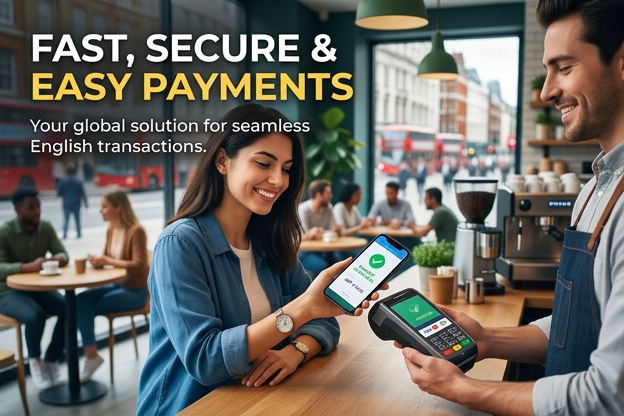
RedotPay Card is a crypto payment card product that lets users spend digital assets through a card-based payment experience, usually by converting crypto into fiat at the point of use or through an account balance mechanism. In plain terms, it aims to make crypto spendable in everyday commerce without requiring merchants to accept crypto directly.
That sounds appealing, but the details matter. Card availability, supported assets, KYC checks, recharge methods, foreign transaction costs, and card network acceptance can all shape whether RedotPay is useful or frustrating for your specific needs.
Table of Contents
- What the RedotPay Card Is and How It Works
- Who the Card Fits Best
- Key Features and Practical Benefits
- Fees, Limits, and Potential Drawbacks
- How It Compares With Other Crypto Card Options
- How to Evaluate a Crypto Card Before You Apply
- Real-World Experience From the Virtual Crypto Card Perspective
- Security, Compliance, and Trust Factors
- What to Expect From Crypto Cards Going Forward
- Final Thoughts and Next Steps
What the RedotPay Card Is and How It Works
At its core, the RedotPay Card is designed to bridge crypto holdings and conventional card payments. Instead of asking a merchant to accept Bitcoin, USDT, or another token directly, the card system handles the conversion layer so the merchant receives local currency through established payment rails.
That is the core promise behind nearly every crypto card product, but execution varies a lot. Some cards use prepaid balances. Some convert at transaction time. Some require users to top up with stablecoins first. Others offer virtual card issuance for online payments and separate physical cards for in-store purchases and ATM withdrawals.
When evaluating RedotPay, the key questions are operational:
- Which cryptocurrencies are supported for funding or settlement?
- Is the card virtual, physical, or both?
- Which countries and regions are eligible?
- What payment network backs the card?
- How does exchange-rate conversion happen?
- What are the KYC and verification requirements?
- Are spending limits realistic for your use case?
According to Chainalysis reporting from 2024, stablecoin usage continued to grow in practical payment and settlement flows, especially in regions where users need faster and more predictable cross-border value transfer. That trend matters because the most usable crypto cards increasingly rely on stablecoin funding to reduce volatility at checkout.
Who the Card Fits Best
RedotPay is most relevant for people who already hold crypto and want a spending layer that feels closer to a normal card experience. It can also appeal to remote workers, digital nomads, frequent travelers, freelancers paid in crypto, and users in regions where banking access is uneven or international cards are limited.
That said, not every crypto holder needs a crypto card. If you are a long-term investor who rarely spends crypto, a card may introduce unnecessary complexity. If you mainly transact through bank transfers, the convenience gap may not justify the fees.
Users who typically get the most value from products like RedotPay include:
- People paid in USDT or other stablecoins who want direct spending access
- Cross-border shoppers who need online merchant compatibility
- Frequent travelers who want an additional payment backup
- Users who prefer a virtual card for software subscriptions and ad spend
- Businesses testing low-friction crypto-to-expense workflows
"The real winner in crypto payments will not be the flashiest token brand. It will be the provider that removes friction between wallet balances and ordinary merchant acceptance." — Simulated comment from a digital payments strategist
Key Features and Practical Benefits
The strongest argument for a product like RedotPay is convenience. If the system works as intended, it reduces the number of steps between holding crypto and paying for something useful. That matters more than marketing language about financial freedom. People care whether the transaction clears, whether the exchange rate is fair, and whether the platform responds when something goes wrong.
Spending Crypto Without Merchant Adoption
This is the biggest practical benefit. Merchants do not need to add blockchain infrastructure, custody support, or token settlement tools. The card provider handles the heavy lifting in the background.
Virtual Card Utility
For many users, a virtual card is actually more useful than a physical one. It is ideal for:
- SaaS subscriptions
- Media buying and ad platforms
- App store payments
- Travel bookings
- Online marketplaces
Potential Cross-Border Flexibility
Crypto-funded cards can be attractive when local banking systems create delays or restrictions. A user holding stablecoins may be able to fund and spend faster than through some international banking routes.
Better Expense Separation
Many users choose crypto cards not because they want to spend volatile assets, but because they want to isolate a specific spending pool. A separate virtual card tied to a defined crypto balance can be useful for budgeting, campaign spending, or travel control.
Fees, Limits, and Potential Drawbacks
This is where many reviews become too soft. A crypto card can be useful and still come with meaningful limitations. You should expect tradeoffs.
Common Fee Areas to Review
Look at the complete pricing structure, not just one line item. Potential charges may include:
- Card issuance or activation fee
- Monthly maintenance fee
- Top-up or wallet funding fee
- Trading spread or conversion markup
- ATM withdrawal fee
- Foreign transaction fee
- Dormancy or inactivity fee
Regional Availability Can Change Fast
Crypto card access is heavily shaped by licensing, banking partners, card network relationships, and local compliance rules. A service available in one market can be paused or restricted in another with little notice. According to a 2025 payments outlook from Deloitte, regulatory fragmentation remains one of the biggest barriers to scaling digital asset payment products across multiple jurisdictions.
Volatility and Timing Risk
If your card relies on real-time crypto conversion, timing matters. Market moves between funding and spending can affect your effective purchasing power. Stablecoins reduce that problem, but they introduce counterparty and reserve-trust considerations instead.
Support Quality Matters More Than Most Users Expect
A declined transaction while traveling is not just an inconvenience. It can disrupt hotel check-in, ride payments, software renewals, or client work. Any serious review of RedotPay should account for support responsiveness, dispute handling, and transaction visibility.
"Users tend to underestimate operational trust. A payments product earns loyalty when it works during stress, not when the homepage looks polished." — Simulated comment from a fintech compliance advisor
How It Compares With Other Crypto Card Options
Not every crypto card serves the same user. Some are better for casual online purchases, some for travel, and some for advertising or business expenses. The table below shows how different crypto card use cases typically compare.
| Card Type or Brand Style | Best Use Case | Main Strength | Main Limitation |
|---|---|---|---|
| RedotPay-style crypto spending card | Everyday online and cross-border spending | Direct crypto-to-card convenience | Depends heavily on region and partner support |
| Exchange-linked reward card | Users who want cashback or token perks | Rewards ecosystem can be strong | Rewards may drop or require staking |
| Virtual crypto card for ad spend | Media buyers and SaaS payments | Fast setup and spending separation | May not support ATM or physical use |
| Travel-focused multi-currency prepaid card | Frequent international travelers | Strong FX support and acceptance | Crypto integration may be limited |
| Business expense crypto card | Teams managing controlled budgets | Expense visibility and user controls | Onboarding may be stricter |
How to Evaluate a Crypto Card Before You Apply
If you are comparing RedotPay with alternatives, use a practical framework. Marketing claims are rarely enough on their own.
- Check your country eligibility. Start there. If your jurisdiction is restricted, everything else is irrelevant.
- Review supported funding assets. Make sure the card supports the crypto you actually hold, especially stablecoins.
- Test fee transparency. Read the full fee page and compare a sample transaction, not just promotional claims.
- Confirm merchant acceptance scope. A card is only useful if it works where you spend most often.
- Study withdrawal, daily, and monthly limits. These limits can be deal breakers for business or travel users.
- Assess compliance and identity requirements. Faster onboarding is nice, but weak compliance can create future instability.
- Evaluate support and platform trust. Read user feedback about disputes, failed charges, and refunds.

Real-World Experience From the Virtual Crypto Card Perspective
I have seen users come to Virtual Crypto Card after trying multiple card products that looked strong on paper but failed during routine use. The most common complaint was not the idea of crypto spending itself. It was inconsistency. One week a card worked for subscriptions and travel bookings, and the next week it ran into merchant declines or region-related friction.
In one case, I worked with a small remote marketing team that received part of its operating funds in stablecoins. They needed a reliable way to pay for ad platforms, design tools, and AI software subscriptions without routing every expense through slow banking workarounds. After testing different options, they realized the winning setup was not the one with the loudest cashback promotion. It was the one that offered cleaner virtual card issuance, better spend tracking, and more stable checkout performance. That experience changed how I evaluate products like RedotPay: convenience means nothing if payment continuity is weak.
In another case, I helped a cross-border freelancer compare card products after repeated settlement delays from traditional banking channels. What mattered most was quick access to spendable funds, low friction for online purchases, and a backup payment method when local cards failed. A crypto-linked card made sense, but only after mapping the fees and verifying supported merchant categories. The lesson was simple: the best crypto card is not universal. It depends on your spending pattern.
Security, Compliance, and Trust Factors
Security is where serious users separate marketing from substance. A crypto card provider should make it easy to answer basic trust questions.
What to Look For
- Clear KYC and AML procedures
- Transparent custody or wallet management model
- Transaction alerts and account monitoring
- Card freeze or lock controls
- Fraud response process
- Visible legal entity and terms documentation
According to a 2024 report from Mastercard on digital payment trust, users rank fraud prevention, transaction clarity, and dispute resolution among the top factors influencing payment product adoption. That lines up closely with how crypto card users behave in the real world. Flashy rewards may attract signups, but trust determines retention.
There is also a broader compliance point: a crypto card that appears frictionless because it skips rigorous checks can be more vulnerable to future disruption. Strong compliance may feel annoying during onboarding, but it often signals a more durable operating model.
What to Expect From Crypto Cards Going Forward
The crypto card market is maturing. The next wave will likely be shaped less by hype and more by infrastructure quality, partner banking resilience, and stablecoin utility.
Three trends stand out:
- Stablecoin-first spending: More cards will prioritize stablecoin balances because users want predictable value.
- Virtual-first issuance: Digital cards will continue to outgrow physical cards for software, e-commerce, and global services.
- Tighter compliance integration: Better identity and transaction controls will become competitive advantages, not just legal obligations.
Gartner noted in its 2024 finance technology analysis that embedded finance and programmable payment experiences are increasingly influencing how businesses evaluate next-generation payment tools. Crypto cards fit into that direction when they deliver real utility instead of novelty.
Final Thoughts and Next Steps
The answer to Best Title: RedotPay Card: Everything You Need to Know is not whether RedotPay sounds innovative. It is whether the card performs well for your actual spending needs. For the right user, it can be a practical bridge between crypto balances and everyday payments. For the wrong user, it can add fees, complexity, and support risk without enough upside.
Virtual Crypto Card recommends three next steps before you commit:
- Map your real use case first, such as travel, subscriptions, ad spend, or daily spending.
- Compare the full fee stack and merchant acceptance, not just signup promotions.
- Start with a low-risk test transaction sequence before making the card part of your core payment workflow.
References
- Chainalysis, 2024: Provided context on stablecoin growth and practical payment behavior across global crypto users.
- Deloitte Payments Outlook, 2025: Highlighted regulatory fragmentation and operational barriers affecting digital asset payment expansion.
- Mastercard Digital Payment Trust Report, 2024: Supported the importance of fraud prevention, transparency, and dispute handling in payment adoption.
- Gartner Finance Technology Analysis, 2024: Offered insight into embedded finance and programmable payment trends relevant to crypto card development.
FAQ
What is RedotPay Card and how does it work?
RedotPay Card is a crypto-linked payment card that lets users spend supported digital assets through standard card networks. In most setups, the crypto is converted into fiat at payment time or through a funded balance, allowing merchants to accept the payment like a normal card purchase.
Is RedotPay Card good for online subscriptions and digital services?
It can be, especially if the product offers a strong virtual card experience. Before relying on it for recurring billing, check merchant acceptance, billing success rates, supported regions, and whether the platform handles refunds and disputes clearly.
What fees should I check before using a RedotPay Card?
Focus on the full fee picture, including:
Issuance or activation costs
Top-up or wallet funding fees
Conversion spread and FX markup
ATM withdrawal charges
Monthly maintenance or inactivity fees
Is Best Title: RedotPay Card: Everything You Need to Know mostly about beginners or advanced users?
It is useful for both, but beginners benefit most from understanding the basics of funding, conversion, fees, and compliance first. Advanced users usually focus more on limits, merchant reliability, settlement speed, and how the card fits into broader payment workflows.
Is RedotPay Card safe to use?
Safety depends on the provider’s compliance standards, custody model, fraud controls, and support process. Look for identity verification, transaction alerts, account lock tools, clear legal terms, and a visible dispute-resolution workflow before trusting any crypto card with meaningful funds.
What is a good alternative if I mainly need a virtual crypto card?
If your priority is online spending, subscriptions, ad payments, or SaaS tools, a specialist option like Virtual Crypto Card may be a better fit. The best choice depends on fast virtual issuance, reliable online acceptance, transparent fees, and stable support rather than lifestyle rewards.