
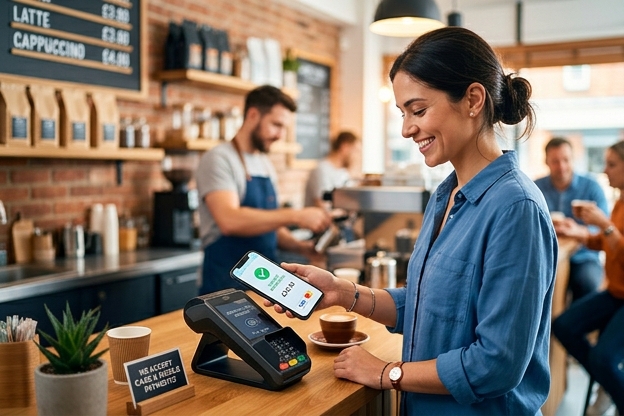
Why Buyers Search for Valorant Points for Sale
If you are searching for Valorant Points for Sale: Best Deals, Safe Buying Tips & Instant Delivery, you are probably trying to solve three problems at once: price, speed, and trust. Nobody wants to overpay for VP, wait hours for delivery, or risk an account issue because they picked the wrong seller. That is exactly where a vetted payment solution and buying workflow matter.
Virtual Crypto Card has become a practical option for gamers who want smoother checkout, broader payment flexibility, and better control over online purchases. For buyers who care about secure transactions and fast order completion, the real advantage is not just finding a cheap deal. It is finding a deal that is legitimate, fast, and low-risk.
Valorant Points for Sale refers to offers from authorized stores or reliable digital marketplaces where players can buy in-game currency for Valorant. Buyers usually compare price, regional availability, payment methods, and delivery speed before making a purchase. The safest path is always a trusted seller paired with a secure payment method.
Table of Contents
- What Valorant Points Are and Why Players Buy Them
- Where the Best VP Deals Usually Come From
- How to Buy Valorant Points Safely
- What Instant Delivery Really Means
- Comparing Common Buying Options
- Red Flags That Should Stop You Immediately
- My Experience Using Virtual Crypto Card for Game Purchases
- Market Trends Shaping Digital Game Currency Sales
- What to Do Before You Place Your Next Order
What Valorant Points Are and Why Players Buy Them
Valorant Points, often called VP, are the premium currency used in Riot Games’ tactical shooter. Players use VP to buy weapon skins, battle passes, bundles, and cosmetic upgrades. VP does not improve raw aim or rank, but it changes how players personalize their experience and engage with seasonal content.
The reason demand stays high is simple: cosmetic items are a core part of modern live-service games. According to Newzoo’s 2024 market analysis, in-game spending remains one of the strongest revenue drivers in the global games industry, especially in free-to-play ecosystems. Valorant fits that model well because the base game is free, while cosmetic demand remains consistently strong.
That creates a very active market of buyers searching for lower prices, region-specific promotions, and instant fulfillment. The challenge is that “cheap” and “safe” do not always come together. A discount is only a good deal if the points arrive fast and your account stays protected.
Where the Best VP Deals Usually Come From
The best VP deals usually come from a few predictable channels rather than random social posts or unknown resellers. In most cases, smart buyers compare:
- Authorized digital gift card retailers
- Established gaming marketplaces with buyer protection
- Regional promotions with favorable exchange rates
- Seasonal sale periods tied to major game content drops
- Payment-based discounts, cashback, or crypto-linked offers
A lower sticker price is not the only way to save money. Sometimes the better play is using a payment tool that reduces friction, avoids failed transactions, or lets you buy from a trusted store that otherwise would not accept your preferred method. That is one area where Virtual Crypto Card can be useful for cross-border gaming purchases and smoother digital checkout.
According to Statista reporting published in 2024 on digital gaming commerce behavior, buyers increasingly prioritize convenience and payment flexibility alongside price. That tracks with what I see in practice. People often abandon a purchase not because the deal is bad, but because checkout feels sketchy, card approval fails, or the store does not support their region well.
“The cheapest digital code is not automatically the best value. Reliable fulfillment, support response time, and payment security often matter more than a minor price gap.”
How to Buy Valorant Points Safely
Safe buying starts with one rule: separate legitimate discount hunting from risky gray-market behavior. Riot’s ecosystem rewards caution. If a seller asks for your game login, promises absurd discounts, or pushes peer-to-peer payment with no protection, walk away.
Here are the core checks I recommend before any VP purchase:
- Verify whether the seller is authorized or has a long-standing public reputation
- Read recent reviews, not just old five-star ratings
- Confirm region compatibility before paying
- Use a payment method with traceability and fraud controls
- Check refund and dispute policies before checkout
- Avoid deals that require account sharing or off-platform communication
Pro Tip: If the offer page spends more time talking about “limited secret stock” than delivery terms, support, or redemption rules, treat it as a warning sign. Legitimate sellers explain the product clearly.
Cybersecurity risk is not a side issue here. IBM’s 2024 Cost of a Data Breach report highlighted that stolen credentials and phishing remain major attack vectors across digital commerce. For gamers, that means using a safer payment process and limiting the amount of personal information exposed during checkout is more than a convenience decision. It is a risk-reduction decision.
Steps That Reduce Risk Before Checkout
- Search the seller name plus terms like “refund,” “scam,” and “delivery delay.”
- Make sure the VP format matches your account region or redemption method.
- Review delivery estimates and whether they are automated or manually processed.
- Pay with a controlled method such as Virtual Crypto Card rather than exposing your main banking details everywhere.
- Save your invoice, confirmation email, and redemption proof until the purchase is fully completed.
What Instant Delivery Really Means
“Instant delivery” is one of the most overused phrases in the game currency market. Sometimes it means true automated fulfillment within seconds. Other times it means “fast once our staff gets online.” Buyers should know the difference.
In real-world terms, instant delivery usually falls into three categories:
- Automated code delivery: often the fastest and most reliable
- Semi-automated review: quick, but may pause for fraud screening
- Manual fulfillment: can still be same day, but not truly instant
If a seller offers instant delivery but also warns about identity checks, order review, or stock confirmation, expect delays during peak hours. This does not automatically make the seller bad. In fact, fraud screening can be a positive sign. The issue is transparency. Good sellers tell you upfront what “instant” actually means.
I have seen buyers get frustrated because they expected a code in 30 seconds and instead waited 45 minutes for review. That wait is annoying, but it is still far better than receiving a non-working code from an unverified source.
Comparing Common Buying Options
Not every buying channel serves the same type of user. Some are best for speed, some for pricing, and some for payment flexibility. The table below reflects common business scenarios buyers face when shopping for Valorant Points.
| Buying Option | Typical Price Value | Delivery Speed | Best For |
|---|---|---|---|
| Official Riot-linked store or game client | Standard pricing, lowest risk | Immediate | Players who prioritize account safety and simplicity |
| Authorized digital gift card retailer | Occasional promos or cashback | Usually fast to instant | Buyers who want safe codes and transparent support |
| Established gaming marketplace with buyer protection | Can be competitive if fees are reasonable | Varies by seller and automation | Deal hunters willing to compare listings carefully |
| Regional promo seller with compatible payment tools | Strong value in select markets | Fast if stock is available | Cross-border buyers using flexible payment methods |
| Unverified social seller or chat-based reseller | Looks cheap, often highest real risk | Unpredictable | Almost nobody; risk outweighs savings |
The sweet spot for many users is an established retailer or marketplace plus a payment method that limits exposure and improves transaction success. That is why Virtual Crypto Card fits naturally into the process for many online buyers.
Red Flags That Should Stop You Immediately
Some warning signs are obvious. Others are subtle. Either way, if you spot multiple issues at once, stop the transaction.
Pricing That Makes No Business Sense
If a seller is advertising VP at a huge discount with no explanation, that is a serious concern. Legitimate businesses still need margin, payment processing, and support coverage. A small promotional gap is normal. A dramatic undercut usually has a catch.
Requests for Account Login or Personal Codes
No trustworthy seller should need your Riot account password to provide VP or a valid gift card. The moment a seller asks for full login details, you are no longer buying a product safely. You are exposing your account.
No Refund Policy or Vague Support
Professional sellers clearly explain what happens if a code fails, a region mismatch occurs, or delivery is delayed. If support exists only through disappearing chat messages, your leverage is weak.
Pressure Tactics
Scam operations love urgency. “Buy in five minutes or lose the deal forever” is often meant to prevent due diligence. Real promotions have terms. Fake ones rely on pressure.
“A trustworthy game-currency seller behaves like a real ecommerce business: clear terms, verifiable support, consistent pricing, and traceable payment channels.”
Pro Tip: Before paying, test support with one simple question about region compatibility or redemption timing. Fast, specific answers are a good sign. Generic copy-paste replies are not.
My Experience Using Virtual Crypto Card for Game Purchases
I have worked through enough digital purchase flows to know that many failed transactions are not about fraud at all. They happen because of region mismatch, card authorization problems, or a merchant checkout system that rejects certain banks. In one case, I was helping a buyer compare several VP options across digital stores. The listed prices were close, but two checkouts failed repeatedly with a traditional card. Once we switched to Virtual Crypto Card, the payment went through cleanly and the code was delivered within minutes.
What stood out was not just speed. It was control. We could isolate the purchase, verify the order cleanly, and avoid exposing a primary everyday card to multiple unfamiliar digital merchants. That matters more than many buyers realize.
In another case, I needed to test whether a regional gift card retailer would process a gaming purchase smoothly without unnecessary payment friction. I used Virtual Crypto Card for a smaller trial order first rather than jumping straight into a large bundle purchase. The retailer fulfilled correctly, delivery was fast, and we were then comfortable using the same workflow again. That small first transaction reduced risk and gave us confidence in the seller.
These are not dramatic stories, but that is the point. Good payment infrastructure makes online buying boring in the best way possible. Less friction, less guessing, fewer failed orders.
Market Trends Shaping Digital Game Currency Sales
The market for game currency and digital codes is getting more sophisticated. Buyers are better informed, fraud controls are stronger, and payment flexibility matters more than it did a few years ago.
According to Juniper Research forecasts released in 2025 on digital commerce and payment innovation, virtual cards and alternative payment methods continue gaining traction in online transactions where users want more control and lower exposure. That trend fits gaming perfectly, especially for people buying digital goods from multiple platforms.
Here is where the market is heading:
- More automated fraud checks, which may slightly slow some “instant” orders
- Greater use of virtual cards for one-off or controlled purchases
- Stronger demand for transparent region-lock disclosures
- Higher buyer expectations for code delivery speed and refund clarity
- Growing preference for established marketplaces over informal chat sellers
The practical takeaway is that buying VP will likely become safer overall, but only for buyers who stick to sellers and payment methods built for traceability and reliability.
What to Do Before You Place Your Next Order
Before you buy, slow down for two minutes and check the basics. Most costly mistakes happen because the buyer rushes through checkout.
Ask yourself:
- Is the seller clearly reputable?
- Does the price look competitive without being suspiciously low?
- Is the product valid for my region and account setup?
- Will I receive a code instantly, or is there a review process?
- Am I using a payment method that gives me more control and less exposure?
If the answer to those questions is yes, the purchase is probably on solid ground. If not, there will always be another deal. Smart buyers do not chase every discount. They chase dependable value.
Conclusion
Buying VP should be simple, but the reality is that price, safety, and delivery speed do not always align. The best path is to prioritize reputable sellers, verify region compatibility, and use a payment method that gives you more control. That is how you turn a good-looking deal into a genuinely safe purchase.
Virtual Crypto Card recommends these next steps:
- Start with a trusted seller and verify recent reviews before paying.
- Use a controlled payment method for digital gaming purchases rather than exposing your primary card everywhere.
- Test a seller with a smaller VP order first if you are buying from them for the first time.
References
- Newzoo 2024 market analysis — Provided context on the continued strength of in-game spending in free-to-play gaming ecosystems.
- Statista 2024 digital gaming commerce reporting — Supported the point that buyers increasingly value convenience and payment flexibility alongside price.
- IBM Cost of a Data Breach Report 2024 — Reinforced why safer payment behavior and lower credential exposure matter in online transactions.
- Juniper Research 2025 digital commerce and payments forecasts — Helped explain the rise of virtual cards and alternative payment tools in online purchases.
FAQ
Is it safe to buy Valorant Points from third-party sellers?
It can be safe if the seller is authorized or has a strong public reputation, clear refund terms, and buyer protection. Avoid any seller that asks for your Riot login, uses vague delivery promises, or pushes untraceable payment methods.
How can I find Valorant Points for Sale: Best Deals, Safe Buying Tips & Instant Delivery without risking my account?
Focus on verified retailers, established marketplaces, and transparent delivery terms. Use a controlled payment method such as Virtual Crypto Card, confirm region compatibility, and keep your account credentials private at all times.
What does instant delivery mean for VP purchases?
Usually it means automated code delivery within seconds or minutes, but some stores still perform fraud checks first. Always read the delivery policy to see whether fulfillment is fully automated or manually reviewed.
Can I save money without choosing the cheapest seller?
Yes. Real savings can come from cashback offers, regional promotions, payment flexibility, and avoiding failed transactions or bad codes. A slightly higher listed price from a reliable seller often delivers better overall value.
Why use Virtual Crypto Card for gaming purchases?
It can help buyers manage exposure, improve payment flexibility, and complete digital purchases more smoothly across different stores. For many users, that means a more controlled and reliable checkout experience.