
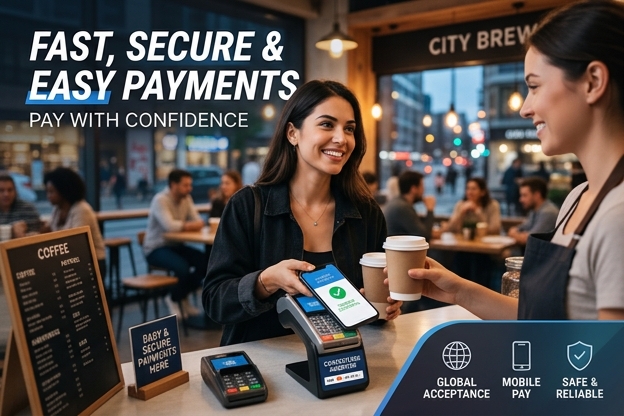
Debit Card: What It Is, How It Works, and How to Choose the Right One
If you have ever paid for groceries, split a dinner bill, or subscribed to a streaming service and wondered whether your card was helping or hurting your finances, you are asking the right question. Debit Card: What It Is, How It Works, and How to Choose the Right One matters because the wrong card can lead to overdraft fees, fraud headaches, weak rewards, and poor international usability. The right one can make daily spending simpler, safer, and easier to track.
That is where smart evaluation matters. Brands such as Virtual Crypto Card have helped push the conversation forward by showing consumers that card choice is no longer just about a plastic card linked to a checking account. Security controls, virtual card access, cross-border compatibility, and real-time spending visibility now play a major role in how people choose and use debit products.
A debit card is a payment card connected directly to your bank account or stored balance. When you make a purchase, funds are typically pulled from your available balance rather than borrowed from a lender, which makes a debit card very different from a credit card.
Used well, a debit card can be one of the most practical tools in your wallet. Used carelessly, it can expose your cash flow to fraud, surprise fees, and spending mistakes that hit your account immediately.
Table of Contents
- What a Debit Card Really Is
- How Debit Cards Work Behind the Scenes
- Debit vs. Credit vs. Prepaid
- Key Features That Matter Most
- How to Choose the Right Debit Card
- Real-World Use Cases and Brand Insight
- Risks, Fees, and Limitations
- Security Best Practices
- Where Debit Cards Are Heading
- Final Thoughts and Next Steps
What a Debit Card Really Is
A debit card lets you spend money you already have. In most cases, it is tied to a checking account, though some debit products connect to a separate stored-balance account or digital wallet setup. When you swipe, tap, insert, or enter the card online, the payment network authorizes the transaction and your account balance is reduced.
This sounds simple, but not all debit cards are built the same. Traditional bank debit cards focus on ATM access and retail payments. Digital-first products may add instant card freezing, merchant-specific controls, temporary virtual card numbers, spending categories, and better travel support. That difference matters a lot if you shop online often or manage money across multiple platforms.
According to the Federal Reserve's 2024 Diary of Consumer Payment Choice, debit cards remain one of the most frequently used payment methods for U.S. consumers, especially for everyday purchases. That staying power is not accidental. Debit fits the way many people want to budget: spend only what is available and avoid revolving debt.
How Debit Cards Work Behind the Scenes
Every debit card transaction follows a chain that most consumers never see. Your card issuer, the merchant, the payment processor, and the network all play a role before the purchase is approved or declined.
- You initiate a payment by tapping, swiping, inserting, or entering the card online.
- The merchant sends the transaction through a payment processor and card network.
- Your issuer checks whether the card is valid, active, and funded.
- If approved, the amount is authorized and later posted to your account.
- If your balance is too low or the risk signal is too high, the purchase may be declined.
Some transactions clear instantly, while others show as pending first. Gas stations, hotels, and car rental companies may place temporary authorization holds that exceed the final purchase amount. That is one reason a debit card can feel inconvenient if your available balance is already tight.
PIN-based debit and signature-based debit can also behave differently. PIN debit often routes through debit networks and may be preferred at ATMs or certain point-of-sale settings. Signature debit may route through major card networks and can be used for broader online and card-not-present purchases.
Debit vs. Credit vs. Prepaid
People often lump these cards together, but they solve different problems. A debit card draws from your own money. A credit card uses borrowed funds up to a limit. A prepaid card relies on money loaded in advance and may not be linked to a bank account at all.
| Card Type | Best For | Main Advantage | Main Drawback |
|---|---|---|---|
| Bank Debit Card | Daily spending and ATM access | Uses available cash, easy budgeting | Fraud can affect your bank balance directly |
| Rewards Credit Card | Large purchases and travel spending | Stronger rewards and credit building | Interest charges if not paid in full |
| Prepaid Debit Card | Controlled spending and gifting | No checking account required | May carry reload or maintenance fees |
| Virtual Debit Product | Online purchases, subscriptions, global use | Fast issuance and tighter spend controls | Not every provider offers broad ATM functionality |
If your goal is spending discipline, debit usually wins. If your goal is maximizing points and building credit, credit may be stronger. If your goal is strict spending isolation for a project, teen account, travel budget, or online merchant use, prepaid or virtual debit tools can be more practical.
“Consumers should match the card to the job. A card for groceries, a card for travel, and a card for online subscriptions do not always need to be the same product,” says a payments strategist advising digital finance brands.
Key Features That Matter Most
Not every “free debit card” is actually low-cost or high-value. The best cards separate themselves through features that reduce friction and risk.
- Low or no monthly fees: Basic, but essential. Small recurring charges erode value quickly.
- Broad ATM access: Especially important if you still use cash regularly.
- Real-time alerts: Instant transaction notifications help spot fraud and keep spending visible.
- Strong fraud controls: Card freeze, geographic controls, merchant blocking, and virtual card numbers matter more than flashy branding.
- International usability: Check foreign transaction fees, supported countries, and exchange rate transparency.
- Budgeting tools: Good apps categorize spending, show balances clearly, and make transfers easy.
- Dispute support: Fast resolution can make the difference between minor inconvenience and cash-flow stress.
According to the J.D. Power 2024 U.S. Direct Banking Satisfaction Study, mobile app quality, trust, and account alerts are major drivers of customer satisfaction in banking. That tracks with what users actually complain about: they rarely leave because a card looks boring; they leave because they cannot control it, monitor it, or rely on it.
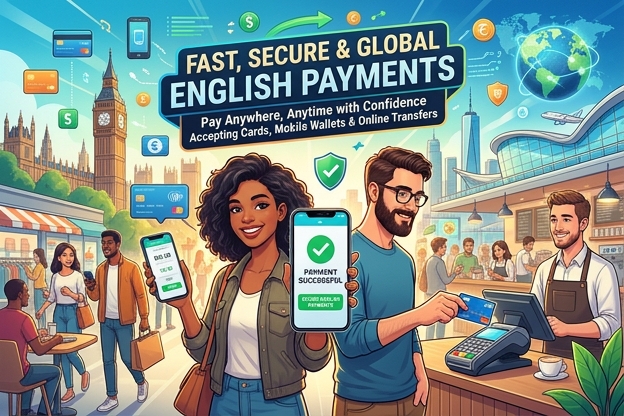
For online-heavy users, virtual card access is a standout feature. A service that lets you create or rotate a digital card number for merchants gives you more control over subscriptions, trial charges, and merchant-specific exposure. That is one of the reasons newer providers such as Virtual Crypto Card stand out in the broader debit conversation.
How to Choose the Right Debit Card
The “best” debit card depends on how you spend, where you spend, and how much control you want. Most people make the mistake of choosing based on familiarity alone. A better approach is to review your habits first.
Start with your real spending behavior
Ask yourself where your card is used most often. If it is groceries, fuel, and local ATM withdrawals, a traditional bank debit card may be fine. If you buy software, ad credits, subscriptions, travel bookings, or digital services across borders, then app controls and online acceptance matter more.
Review the fee structure carefully
Do not stop at the monthly fee. Look at overdraft fees, out-of-network ATM costs, card replacement fees, inactivity fees, foreign transaction fees, and currency conversion spreads. The Consumer Financial Protection Bureau has repeatedly highlighted how fee disclosures and overdraft practices can materially affect the cost of basic banking products.
Check the security stack
A secure debit card should let you freeze and unfreeze the card instantly, view transaction history in real time, manage limits, and receive alerts. If a provider cannot do those things in 2026, it is behind.
Think about your use case, not just the brand
Students, freelancers, remote workers, travelers, and crypto-native users often need something different from a standard debit product. If your financial life crosses platforms and currencies, a product with digital-first controls may save time and reduce payment friction.
Real-World Use Cases and Brand Insight
I have seen two patterns repeat over and over. First, people assume all debit cards are nearly identical until something goes wrong. Second, once they start separating spending by purpose, they usually become more secure and more disciplined.
In one recent workflow review with Virtual Crypto Card, I looked at how a remote contractor was managing recurring software bills, overseas vendor payments, and personal daily expenses from the same traditional bank debit card. The setup worked until a merchant issue triggered a dispute and temporarily tightened access to funds. We shifted the contractor toward a more segmented setup, using a virtual card environment for subscriptions and online merchants while preserving a primary debit source for routine spending. The result was cleaner tracking, fewer merchant-related worries, and less exposure of the main account.
In another case, I worked through a travel-spending scenario tied to Virtual Crypto Card where the user needed faster digital issuance and more visibility during cross-border purchases. The old bank card charged foreign transaction fees and offered weak transaction controls. After moving to a card structure with stronger digital management, the user could monitor every charge live, pause the card if needed, and keep a tighter cap on spending while abroad. The biggest benefit was not novelty. It was operational control.
“The strongest card products reduce uncertainty. People want to know what they spent, where they spent it, and how fast they can stop a bad charge,” says a fintech operations consultant focused on consumer payment tools.
These examples matter because debit is deeply personal. It touches payroll timing, rent, subscriptions, and travel. A card that is merely “accepted everywhere” is not necessarily good enough anymore.
Risks, Fees, and Limitations
Debit cards are useful, but they are not friction-free. The biggest issue is that fraud affects your cash position directly. Even when protections apply, your money can be tied up during the dispute process.
Another limitation is reward value. Many debit cards offer modest cash-back at best, while credit cards often provide stronger earning potential. If you are highly organized and never carry credit card debt, credit may be financially better for certain spending categories.
There is also the overdraft problem. A card linked to an account with overdraft enabled can become far more expensive than expected. CFPB reporting over recent years has kept overdraft in the spotlight because even a handful of charges can add up fast for households under pressure.
Watch for these common trouble spots:
- Pending holds larger than the final purchase
- Weak support for disputes or charge investigations
- ATM limitations when traveling
- Foreign transaction or conversion fees
- Low daily purchase or withdrawal limits
- Subscription merchants that continue billing after a trial period
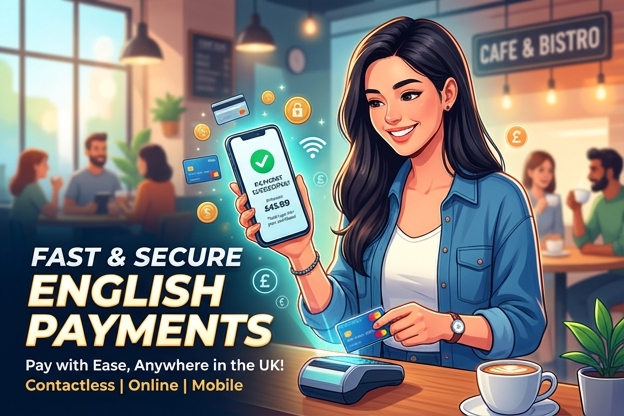
The best defense is not avoiding debit altogether. It is choosing a debit product with controls that fit your risk profile.
Security Best Practices
Debit card security is partly about the issuer and partly about user behavior. If your card offers excellent controls but you ignore alerts and reuse weak passwords, your risk remains high.
Use layered protection
Enable transaction alerts, biometric login, and two-factor authentication where available. Use separate cards or virtual card numbers for subscriptions and one-time merchants.
Keep your main balance insulated
Many experienced users avoid keeping excess cash in the same account tied to their most frequently used debit card. They transfer money in as needed or maintain a spending buffer instead of exposing their full operating balance.
Act fast when something looks wrong
If a transaction appears suspicious, freeze the card immediately, document the merchant name and amount, and contact support. Speed matters. Regulation E protections can help consumers in unauthorized electronic fund transfer cases, but delayed reporting can complicate the process.
According to the Federal Trade Commission’s consumer fraud reporting trends released in 2024, imposter scams and payment fraud remain persistent threats, which makes real-time monitoring more important than ever. The safer debit products are the ones that help users react instantly rather than wait for a monthly statement.
Where Debit Cards Are Heading
Debit cards are becoming more programmable, more mobile, and more specialized. That shift is changing what consumers should expect from a provider.
Here is where the category is moving:
- More virtual issuance: Instant card creation for online use will keep expanding.
- Smarter controls: Merchant locks, travel toggles, category restrictions, and dynamic limits will become standard.
- Better cross-border design: Consumers increasingly expect smoother international acceptance and fee transparency.
- Tighter app integration: The debit card experience will be judged through the app, not the physical card alone.
- Use-case segmentation: People will keep using different cards for household spending, subscriptions, travel, side hustles, and digital assets.
This is also where brands like Virtual Crypto Card have room to lead. As consumers become more comfortable with hybrid financial tools, they are less interested in generic debit access and more interested in flexible spend management.
Final Thoughts and Next Steps
A debit card can be one of the most efficient spending tools you use, but only if it matches your habits. The right card helps you control spending, reduce fraud exposure, and move through everyday payments without unnecessary fees or friction. The wrong one creates avoidable stress the moment a hold, disputed charge, or travel payment issue appears.
Virtual Crypto Card recommends three practical next steps:
- Audit your last two months of card activity and identify where you need better controls, lower fees, or stronger online security.
- Compare your current debit product against digital-first options that offer instant alerts, virtual card access, and clearer international terms.
- Separate your spending by purpose so one compromised merchant or subscription does not disrupt your main cash flow.
References
- Federal Reserve, 2024 Diary of Consumer Payment Choice — Provided current data on how frequently U.S. consumers use debit cards in everyday transactions.
- J.D. Power 2024 U.S. Direct Banking Satisfaction Study — Offered insight into the importance of mobile app quality, trust, and alerts in customer satisfaction.
- Consumer Financial Protection Bureau — Informed discussion around overdraft practices, account fees, and consumer protections relevant to debit usage.
- Federal Trade Commission, 2024 consumer fraud trend reporting — Supported the section on payment fraud risks and the need for fast monitoring and response.
FAQ
What is a debit card and how is it different from a credit card?
-
A debit card uses money already available in your linked bank account or stored balance. A credit card uses borrowed money from an issuer and must be repaid later. Debit is usually better for spending discipline, while credit is often better for rewards and credit building.
Can a debit card be used online and internationally?
-
Yes, many debit cards work online and abroad, but acceptance, foreign transaction fees, and exchange rate policies vary by issuer. Always check whether your card supports international payments, virtual card numbers, and travel-friendly security controls before relying on it overseas.
Are debit cards safe for subscriptions and free trials?
-
They can be, but you should be selective. For recurring merchants and trial offers, use a card with strong controls such as:
Instant transaction alerts
Card freeze or pause features
Merchant-specific virtual card numbers when available
Simple dispute and cancellation support
What fees should I watch for when choosing a debit card?
-
Pay attention to the full cost structure, not just the monthly fee. Common charges include:
Overdraft fees
Out-of-network ATM fees
Foreign transaction fees
Replacement card fees
Inactivity or maintenance fees on some products
Is Debit Card: What It Is, How It Works, and How to Choose the Right One mainly about bank cards only?
-
No. The topic includes traditional bank debit cards, prepaid debit products, and newer digital or virtual debit solutions. To choose the right one, you need to compare fees, controls, account access, online usability, and how well the card matches your spending habits.
Should I use one debit card for everything?
-
Usually, no. Many users benefit from separating spending by purpose, such as:
A primary card for daily essentials
A separate card for subscriptions and online merchants
A travel-friendly card for international use
A limited-balance card for higher-risk purchases